
LISTENING. LEARNING. IMPROVING.
Sharing our results, your feedback, and what’s next at Eastwood Private Hospital.
February to April 2026
This update shares our latest results, what we’ve learned from patient feedback, and the steps we’re taking to continue improving care for our community.
YOU SPOKE, WE LISTENED
Your feedback helps shape the care we provide. Here, we share what you’ve told us, what we’ve learned, and how we’re turning that insight into action
Summary of feedback
Results from our My Recovery app:
557 completed Patient Experience Surveys at Eastwood Private Hospital, gathered between 2026-02-05 and 2026-05-07. Patients were surveyed two weeks to two months following their operation. Each survey covered 22 questions across communication, care coordination, cleanliness and infection control, pain management, mobility, anaesthesia, discharge readiness, and overall preparation.
- 99.3% of patients said they were mostly or always treated with respect and dignity.
- 99.3% of patients indicated they were mostly or always involved as much as they wanted in decisions about their care.
- 96.8% were very satisfied with the cleanliness of the hospital and its facilities.
- 99.8% of patients felt staff mostly or always explained things in a way they could understand.
- 98% of patients mostly or always thought their pain was managed effectively using a combination of medications and other approaches.
- 97.9% were very somewhat satisfied or very satisfied with the support and information they received at discharge.
Free-text comments most frequently raised: recovery information / setting expectations, food and dietary options, and pain management — alongside a substantial volume of unprompted positive feedback.
Our actions from feedback
- Enhance patient education around recovery expectations
- Strengthen discharge planning and clarity of instructions
- Review pain management communication and responsiveness
- Explore improvements in food services and patient choice
ALWAYS LEARNING
Incidents reported February to April 2026
Total Patient Incidents this quarter: 23
1732 admissions
(low overall incident rate– 1.3%)
Healthcare Associated infections:
Very low: 2 – 0.1% of admissions
Falls: 3 or 0.1% of admissions
Medication Errors: 11,
7 of which were near misses – 0.1% of admissions (Monitored and managed Safely)
Blood Safety: 0 adverse events related to blood products or 100% compliance
Unplanned Escalation of Care (Deterioration): 9 patients required escalation
(98% of patients did not)
All cases were managed following protocols, with patients stabilising and returning to baseline. Two patients were safely transferred to another acute hospital for further care. One of these patients required radiology services, which were not available at the time. Radiology services are now available on site, including overnight on‑call coverage.
Incidents
EPH has increased education for staff around incident reporting this has resulted in an increase is staff reporting near misses or incidents where extra monitoring of a patient has been required. Staff are also reporting incidents that are managed appropriately; confirming that processes in that area are working correctly.
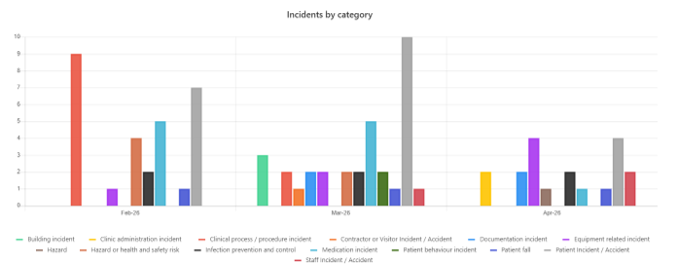
EPH encourages a reporting culture to facilitate improving patient safety, fostering transparency, and encouraging learning from errors through a Just Culture approach.
There is a wide range of incident categories. As part of ongoing improvements at EPH, these classifications are being reviewed to make reporting simpler and more consistent. For example, categories such as “Hazard” and “Health and Safety Risk” may be combined or redefined depending on the nature of the hazard.
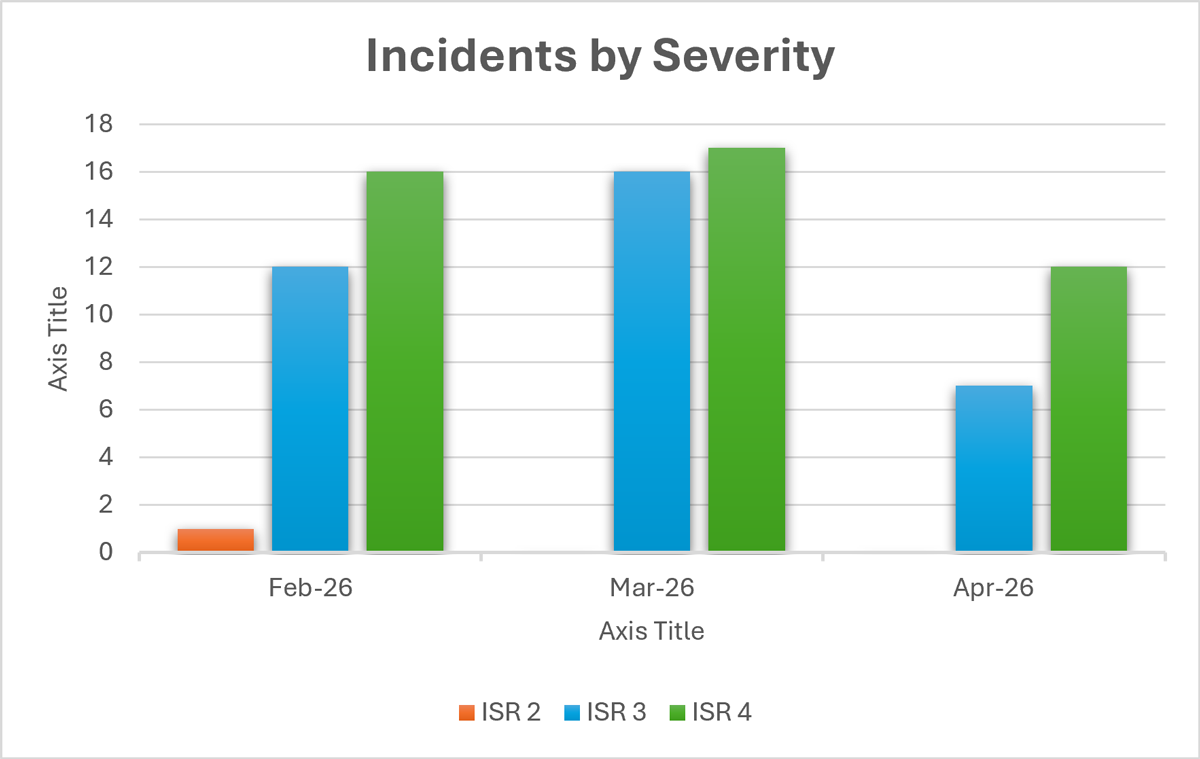
ISR 2 – 1 case of patient fall resulting in transfer for further care
ISR 3 – Additional clinical review, first aid, treatment, or therapies
ISR 4 – No Harm or Near Miss
Trends: ISR 3s and 4s mainly consisted of falls or falls relating to small fainting episodes resulting in minor harm to the patient or increased monitoring. EPH has started a few projects around this.
| Description | Status | |
|---|---|---|
| Continuing post-operative fluids | During a procedure a patient has IV fluids, these are continued in recovery but aren’t always receiving the entire bag of fluids. Post procedure we are increasing the amount of IV fluids that patients receive to increase hydration. | Ongoing |
| “Call don’t fall” and Hourly Rounding | Recovery after surgery can vary throughout the day. Even if the patient has been moving independently, they are encouraged to call a nurse if something doesn’t feel right or they feel unsteady. This coincides with hourly rounding; purposeful hourly communication by a healthcare team member with each patient and/or their carer or family. Nursing staff will discuss daily goals, including pain management and mobility. These conversations are an opportunity for the patient to raise any concerns and plan their pain relief to support the patient’s recovery throughout the day. “Call don’t fall” Your safety is our priority — please ask for help when needed. | Ongoing |
| Sip Til Send | Fasting helps reduce the risk of stomach content entering the lungs during anaesthesia. New evidence shows that small amounts of clear fluids before surgery can keep patients hydrated and comfortable without increasing risk. EPH is looking to update our practices to support better patient hydration while maintaining safety. | Beginning stages of implementation. Approved for implementation by Medical Advisory Committee |
Looking Harder- Learning More
Audit and Survey Outcomes
Anaphylaxis and Malignant Hyperthermia Trolley Checklist:
63%
Monthly checklist has been reviewed and changes in checklist applied, now being checked daily. Plan to reaudit to measure improvement.
Daily Emergency Trolley Checklist: 98%
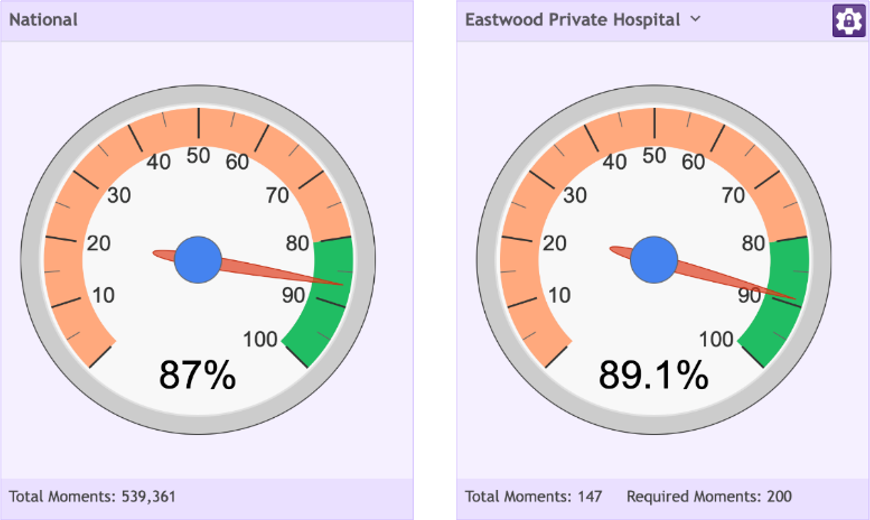
Hand Hygiene Audit: National Average vs Eastwood Private results –
Risk Register
Potential or known risks are entered into a risk register then we use a risk rating table to judge the prioritise the seriousness of the risk.
The Risk Register helps our healthcare team action and then follow up the activities to keep patients safe.
Risks during this reporting period:
| Risk category | Identified risk | Controlled risk rating | Change to risk rating | Details of change past 90 days |
|---|---|---|---|---|
| IT Systems | Call Bell System | High | Reduced Risk | Multiple minor issues over the last 12 months, much improved with change of support team and input from supplier. Maintenance Team has control of system and able to provide maintenance when issues are identified. |
| Consumer Partnership | Opportunities to strengthen consumer partnership | Moderate | Reduced Risk | Need to improve consumer participation for the facility. Use of consumers in information development. Creation of Consumer Representative Forum. |
Recently Completed Projects
| Improvement opportunity | APRIL EDUCATION MONTH Ongoing learning so that we can provide you with the best possible care. | Successful completion |
Current Improvement Projects
| Opportunity or non-conformance? | Description | Status |
|---|---|---|
| Opportunity | Patient Discharge Brochures We’re improving our discharge brochures so important information is clear, simple, and easy to locate. | Waiting for consumer response then can be implemented. |
| Opportunity | Patient Experience Surveys Some patients may use the My Recovery App, depending on their surgery and surgeon. To help improve your experience at Eastwood, you may be asked the same questions about your stay through the app or via a QR code. We’re working to make this process as simple and convenient as possible. | Ongoing |
| Opportunity | Share patient/carer feedback with surgeon Project around the best way to share patient feedback EPH receives back to the admitting doctor | Ongoing |
Current Improvement Projects
| Discharge Brochure | Improvements made to content and appearance based on feedback of discharge information sent with patient’s post operatively. |
| “If in Doubt – Reach out” | A New Poster designed to reassure and provide clear instructions regarding how our patients and their loved ones can escalate their concerns about the patients clinical condition. This is in place of the REACH or Raise It programs in public health. |
Events and Hot topics coming up
- 5 May: World Hand Hygiene Day
- 12 May: International Nurses Day
- 18 June: Accreditation to the Nursing Standards
- 19 June: EPH 1st Birthday
Consumer Feedback
Please tell us how we did?
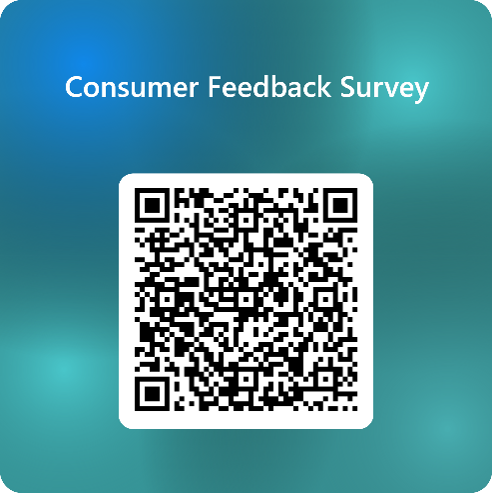
Use the QR code to share your feedback about our Quality Data. Your comments go directly to the Quality Committee and help us to see what information you would like and if it makes sense to you.
Thank you for helping us improve how we can meet the needs of our patients and their families.